A lot of people assume Jamaican food is all fire. Some of it is. Plenty of it isn't. This guide explains the heat on our menu.
Where the heat comes from
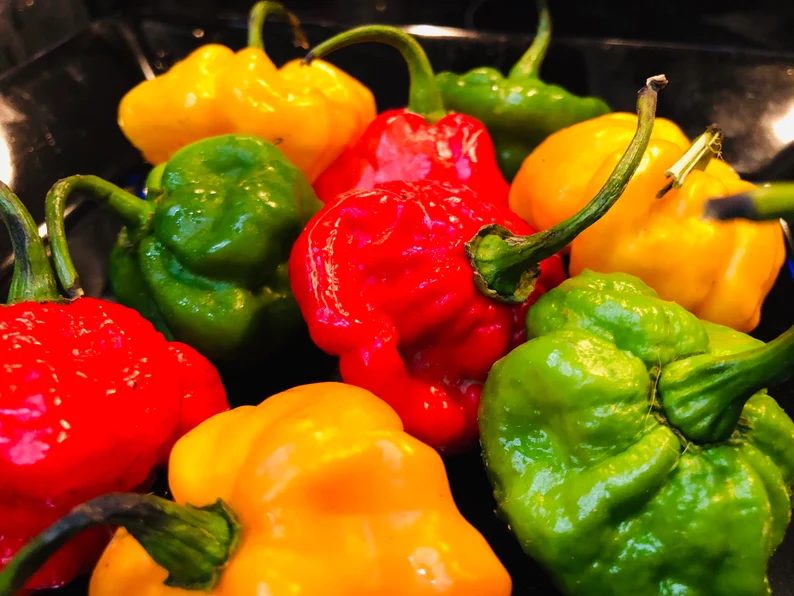
Most of the heat in Jamaican cooking comes from the scotch bonnet pepper. It ranks in the same heat range as a habanero, which is many times hotter than a jalapeño. It also has a fruity flavor, which is why Jamaican cooks use it even in dishes that aren't meant to be hot.
A whole, uncut scotch bonnet adds flavor and fragrance to a pot with very little heat. Once it's chopped or blended, the heat goes up fast.
Pimento (allspice), ginger, and black pepper add warmth, but they aren't what makes your eyes water.
Heat on our menu, roughly
| Heat | Dishes |
|---|---|
| Mild | Rice and peas, sweet plantains, steamed vegetables, fresh drinks |
| Mild to medium | Oxtail, rasta pasta, beef patty |
| Medium | Curry chicken, curry goat |
| Hottest | Jerk chicken |
Heat varies from batch to batch because we cook with fresh peppers. If you're unsure, ask us before you order.
If you like it mild
- Start with oxtail or rasta pasta.
- Get sweet plantains and rice and peas on the side. The sweetness and coconut calm the heat.
- Tell us you're sensitive to spice. We'll help you choose.
If you like it hot
Go for jerk chicken. Ask us if there's hot sauce available.
What helps when it's too hot
Water spreads the heat around. Starch and sugar work better. Take a bite of rice and peas or plantain, or sip something sweet like pineapple and ginger or soursop.
← Back to all posts